You’re cleaning out a desk drawer or a storage cabinet and you stumble upon a few inkjet printer ink cartridges that have been sitting there for a while. You check the box, see an expiration date from last year. But before you head for the bin, remember that "expired" label isn't always the end of the road.
Can you still Use Expire Ink Cartridge in Other Creative Ways?
Most of us keep those extra cartridges "just in case," only to forget about them until the date has passed. It’s natural to feel hesitant about throwing them away—not just because they were an investment, but because we’re all trying to be a bit more eco-friendly these days. Whether it’s a standard ink cartridge or a specialized G&G ink cartridge, seeing it go to waste feels like a missed opportunity to stay productive and sustainable.
Can you still use it?
The short answer is: Yes, but perhaps not in your printer.
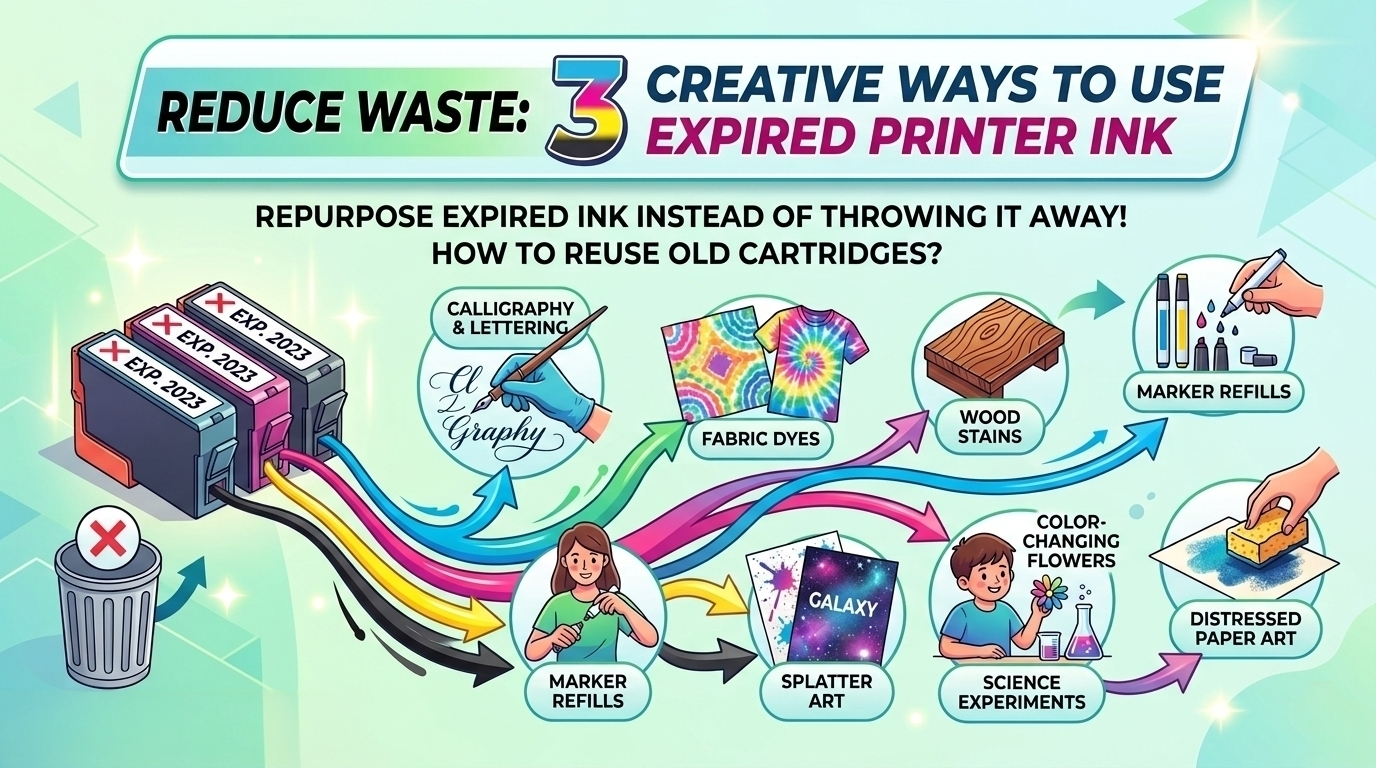
While the liquid inside might eventually get too thick for a high-tech printhead, the pigments remain incredibly vibrant. You can repurpose that ink for brilliant DIY projects—like custom fabric dyes, calligraphy, or even wood staining—giving it a second life. And if DIY isn't your style, you can always choose ink cartridge recycling to ensure the plastic and metal parts are processed safely by professionals.
Fact And Fake About the Expiration Date
Is an expiration date on an ink cartridge like the one on a carton of milk? Not exactly.
Many people worry the ink has turned into sludge or will somehow hurt their printer. However, the truth is a bit more nuanced. Those dates are primarily there to guarantee the highest print quality, but understanding the "why" behind them can help you decide whether to print with them or save them for a craft project.
Do ink cartridges expire?
The short answer is yes, but it’s a chemical process, not a "spoiling" one. Inside every ink cartridge, there is a complex mixture of water, pigments, and stabilizing chemicals. Over time, even in a sealed container, the liquid can begin to evaporate or the microscopic bits of color (pigments) can start to clump together. When this happens, the ink might not flow as smoothly through the microscopic nozzles of your printer.
Can ink cartridges expire and still be used?
If your ink cartridge is only a few months past its date and has been stored in a cool, dry place, it might still produce a perfectly good document. However, once ink is several years old, it can become thicker.
Using very old ink in a high-end printer can lead to clogged printheads, which are a headache to clean. That’s why I usually recommend a "safety first" approach: if it’s significantly past the date for a long time, stop trying to force it through your printer and start thinking about the creative ways to use those vibrant colors elsewhere!
3 Creative Ways to Repurpose Expired Ink
Now that we know why ink ages, let’s get to the fun part. Here are the first few ways you can turn that "trash" into treasure.
1. Watercolor & Calligraphy
If you enjoy painting or hand-lettering, you’re sitting on a goldmine. Printer ink is essentially highly concentrated dye.
How to do it: Carefully open the cartridge and use a small syringe or dropper to move the ink into a palette or small jars.
The Result: Dilute it with a little water for beautiful, fluid watercolors, or use it full-strength with a dip pen for striking calligraphy. The cyan and magenta from an inkjet printer ink cartridge create shades that are often more vivid than standard craft store paints.
2. Fabric & Tie
How to do it: Mix the ink with water and a pinch of salt (to help the color set) in a spray bottle or a bowl.
The Result: You can "tie-dye" old t-shirts, tint canvas tote bags, or even refresh faded napkins. It’s a fantastic way to give a personal, colorful touch to plain textiles around the house.
3. Faux-Vintage Paper Aging
How to do it: Use a yellow or light magenta ink, heavily diluted with water. Lightly dab it onto white paper using a sponge or a soft cloth.
The Result: It creates a beautiful, weathered "parchment" look. This is a much more controlled way to age paper than the old "tea-staining" method, and the ink dries quickly without warping the paper as much.
Where to Recycle and Responsible Disposal Your Ink Cartridge
Not every cartridge is a candidate for a DIY project, but every cartridge deserves a responsible exit.
Why You Should Never Trash a Cartridge
An ink cartridge is a complex piece of engineering. It’s made of high-grade plastics, metal parts, and leftover chemical pigments. When these end up in a landfill, they can take hundreds of years to decompose, and the residual ink can seep into the ground.
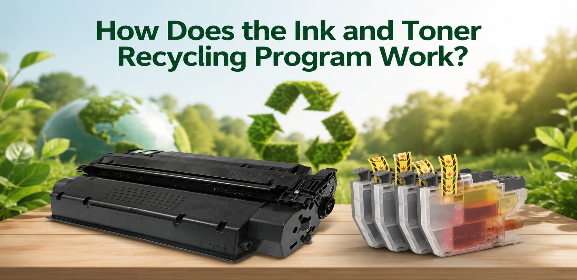
Where to recycle ink cartridges
Most major retailers and manufacturers want your old cartridges back so they can reuse the materials.
Retail Drop-offs: You can take your empties to major office supply stores.
Manufacturer Programs: Brands like G&GImage often have dedicated sustainability initiatives. Checking the box or the website for your g&g ink cartridge will usually point you toward a free mail-back program or a local collection point.
Community Centers: Many libraries and schools have collection bins for small electronics and printer supplies. It’s a simple, zero-cost way to ensure your office waste is handled by professionals who know how to break down the plastic and metal for reuse.
Whether you are turning old pigments into a piece of art or taking advantage of ink cartridge recycling programs at your local center, every small action matters. Managing your inkjet printer ink cartridges responsibly—from the moment you click "print" to the moment they are empty—is a win for your wallet and a win for the planet.
Next time you find an old ink cartridge in your drawer, don't see it as a mistake. See it as a chance to get creative or a reminder to recycle.