If you’ve looked at your office expenses lately, you’ve probably noticed a frustrating trend: keeping your printer running is costing more than ever. Whether you are running a small business, managing a busy household, or trying to print out school projects, your wallet is feeling the pinch.
Many people are waiting for prices to drop back to "normal," but as we look at the reality of the printing market, we have to face a tough truth: print inflation is not a temporary phase. It is structural. This means the high prices we see today for paper, ink, and electricity are baked into how things are made and shipped. They are here to stay.
But here is the good news: you don't have to just accept high prices and drain your budget. Once you understand why these costs are locked in, you can make smarter choices. By changing a few printing habits, choosing high-quality alternative supplies, and learning how to handle your empty cartridges wisely, you can take control of your printing costs and keep your hard-earned money in your pocket.
Why the Cost of Paper Keeps Climbing
The cost of paper has skyrocketed, and it feels like every time you order a new ream, the printer paper cost has ticked up another notch. Why is this happening?
It boils down to a few major structural shifts in the industry:
Fewer Paper Mills: Over the last few years, many traditional paper mills shut down or switched their machines to make cardboard shipping boxes instead (thanks to the boom in online shopping). Less supply naturally drives up the baseline paper cost.
Stricter Environmental Rules: Making paper requires a lot of chemicals, water, and wood pulp. Newer sustainability laws mean mills have to invest heavily in eco-friendly technology. While this is great for the planet, it adds to the overall manufacturing expense.
Rising Transportation Fees: Paper is incredibly heavy. As fuel prices fluctuate and freight costs remain high, moving those heavy pallets from the factory to your local store shelf adds a permanent "shipping tax" to every single sheet.
When you see a paper ad cost or a discount online, it might offer a temporary break, but the underlying reality is that the days of ultra-cheap paper are behind us.
How are Printer Ink and Cartridge Priced
While it’s true that high-quality ink requires advanced chemistry to prevent clogging and dry instantly on the page, that doesn't fully justify the massive markup on original cartridges.
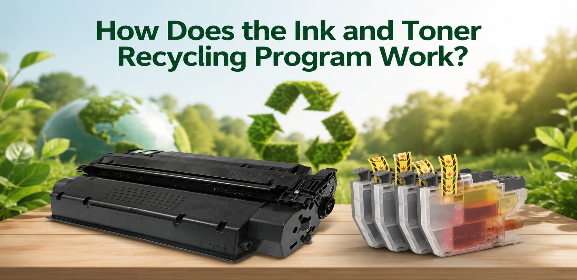
The truth is, major brands use a "razor-and-blade" business model. However, when your cartridge runs out, the plastic shell and the microchip inside are usually still in perfect working order. Throwing them away is like buying a brand-new car just because you ran out of gas.
By choosing to refill your empty cartridges or opting for premium, reliable alternative brands like G&G, you can reuse the high-quality plastic housing you already own, meaning you only pay for the actual ink.
Invisible Tax—Energy Costs and Manufacturing Realities
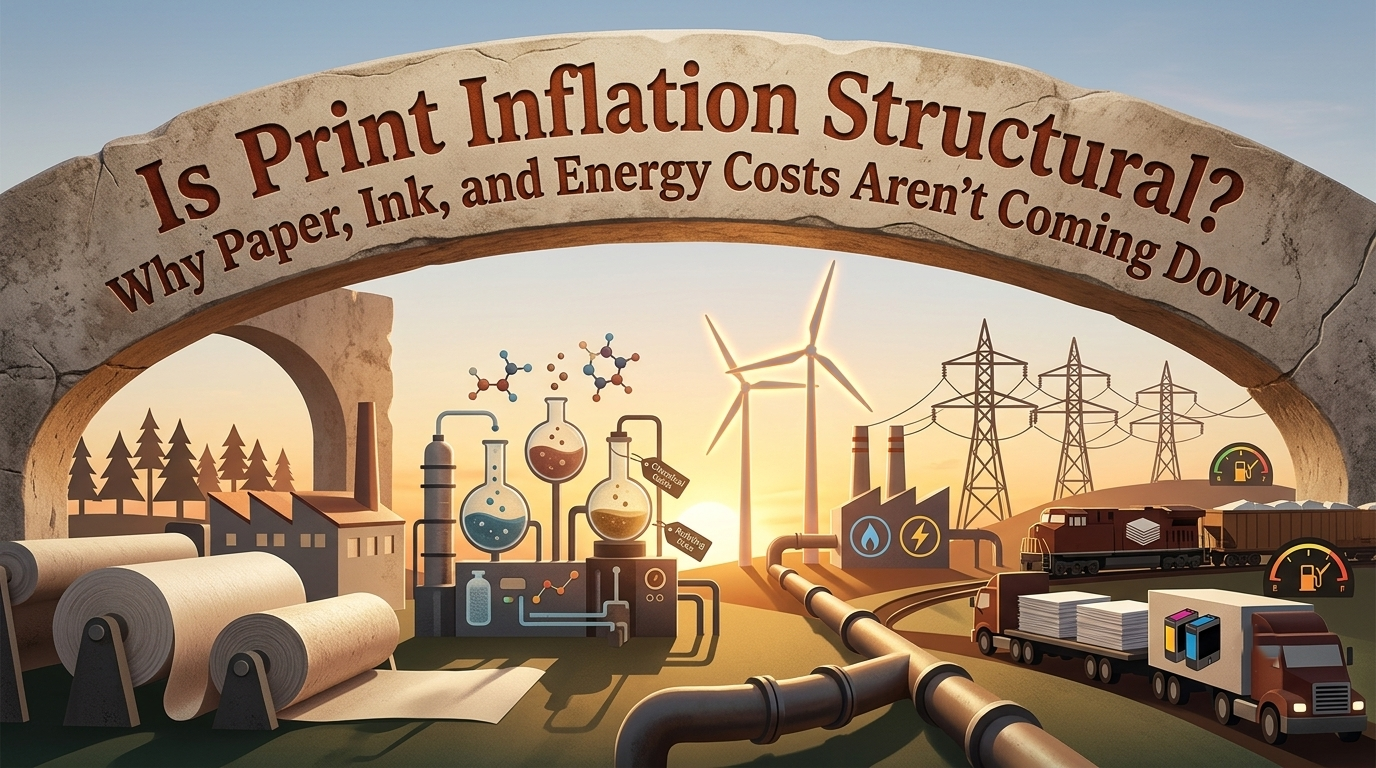
When we think about the price of a cartridge or a ream of paper, we usually look at the materials we can see and touch. What we don't see is the massive amount of electricity and fuel required to make them. The global cost of energy acts like a hidden tax on every single printing supply you buy, keeping retail prices high.
Here is how expensive energy forces prices up:
Heavy-Duty Paper Milling: Turning raw timber into smooth, white sheets of copy paper requires massive, industrial-grade machinery that runs 24/7. Paper mills are among the highest energy-consuming factories in the world. When electricity and natural gas prices stay elevated, the printer paper cost rises automatically just to cover the factory's utility bills.
Refining and Precision Chemical Mixing: Creating high-quality printer ink isn't just about mixing colors; it requires highly precise chemical reactions, milling, and synthetic resin production. High cost of energy means it costs more to run the chemical labs and manufacturing plants that produce the raw ingredients for your ink.
High-Tech Microchip Manufacturing: Cartridges use smart chips to talk to your printer. Manufacturing these semiconductors requires extreme heat, precise cooling, and ultra-sterile cleanrooms—all of which gobble up massive amounts of electricity.
Because industrial energy contracts remain locked in at higher baseline rates as we move through 2026, manufacturers cannot simply lower their prices. This energy crunch is a massive reason why inflation print trends are staying flat instead of dropping down.
The Smart Way Out—How to Fight Structural Inflation in Your Office
You don’t have to let structural inflation dictate your monthly budget. By shifting your habits and making smarter choices with your supplies, you can dramatically lower your overhead without sacrificing print quality.
1. Adopt the "Refill and Reuse" Mindset
Your empty cartridge isn't broken; it's just empty. Choosing high-quality ink refills or partnering with a trusted brand allows you to reuse that perfectly good plastic shell.
2. Print Smart with "Draft Mode" and Eco-Fonts
Not every document needs to be a gallery-quality masterpiece. For internal business documents, school notes, or rough drafts, change your default print settings to "Draft Mode" or "Eco-Mode." This simple tweak instructs the printer to use significantly less ink per page, instantly extending the lifespan of your cartridge and cutting your long-term printer ink cost in half. You can also download "eco-fonts", which use tiny, invisible holes inside the letters to save up to 20% more ink.
3. Take Control of Your Paper Habits
Encourage your family or office staff to always utilize automatic double-sided printing. Additionally, always use the "Print Preview" function before hitting the print button—this simple habit catches layout errors, blank pages, and unwanted trailing lines before they waste your expensive paper.
4. Invest in Premium Alternatives
If you don't want to refill cartridges yourself, opt for premium, certified alternative cartridges. These cartridges are specifically engineered to match the exact text sharpness and page yields of original brands. It gives you the high-quality results your business or schoolwork needs while completely bypassing inflated retail prices.
Structural inflation might be a permanent reality for the printing industry, but by staying informed, choosing to reuse your empty cartridges, and printing with smarter habits, you can keep your printer running smoothly, sustainably, and affordably through 2026 and beyond.