Who Makes Your Cartridge:Quick Summary at a Glance
The biggest factor behind a toner cartridge’s price tag is the factory it comes from. When you start shopping, you’ ll quickly notice that cartridges fall into three main buckets. Let’s break them down so you can choose the right one for your budget and your peace of mind.
Cartridge Type | What It Is | Pros | Cons |
OEM / Genuine (Original Equipment Manufacturer) | Made directly by the company that built your printer (e.g., HP, Canon, Brother). | Flawless print quality, lowest defect rates, won't risk warranty issues. | Highly expensive; often costs more than the printer itself over time. |
Compatible / New Third-Party | Brand-new cartridges built from scratch by a third-party manufacturer to fit specific printer models. | Massive cost savings (often 40% to 70% cheaper than OEM). | Quality varies by manufacturer; generic, unbranded chips can sometimes trigger firmware errors. |
Remanufactured (Eco-Friendly) | Used OEM cartridges that are collected, cleaned, worn parts replaced, refilled with premium toner powder, and tested. | Great middle ground for cost, high quality control, and excellent for circular economy / sustainability initiatives. | Quality depends on the remanufacturer's testing standards. |
A. Genuine Toner Cartridges (OEM)
Think of these as the "name-brand" option. OEM stands for Original Equipment Manufacturer. This means if you own a HP, Canon, or Brother printer, the cartridge is made by that exact same company.
The Good: They offer flawless print quality and a near-zero chance of any errors. You plug it in, and it works perfectly.
The Bad: They are cost-increasing. Over time, buying name-brand cartridges can easily cost you three to four times more than the actual printer did.
B. New Compatible Toner Cartridges
A compatible toner cartridge is built from scratch by a third-party company to fit into your specific printer model, much like buying a high-quality generic brand at the grocery store.
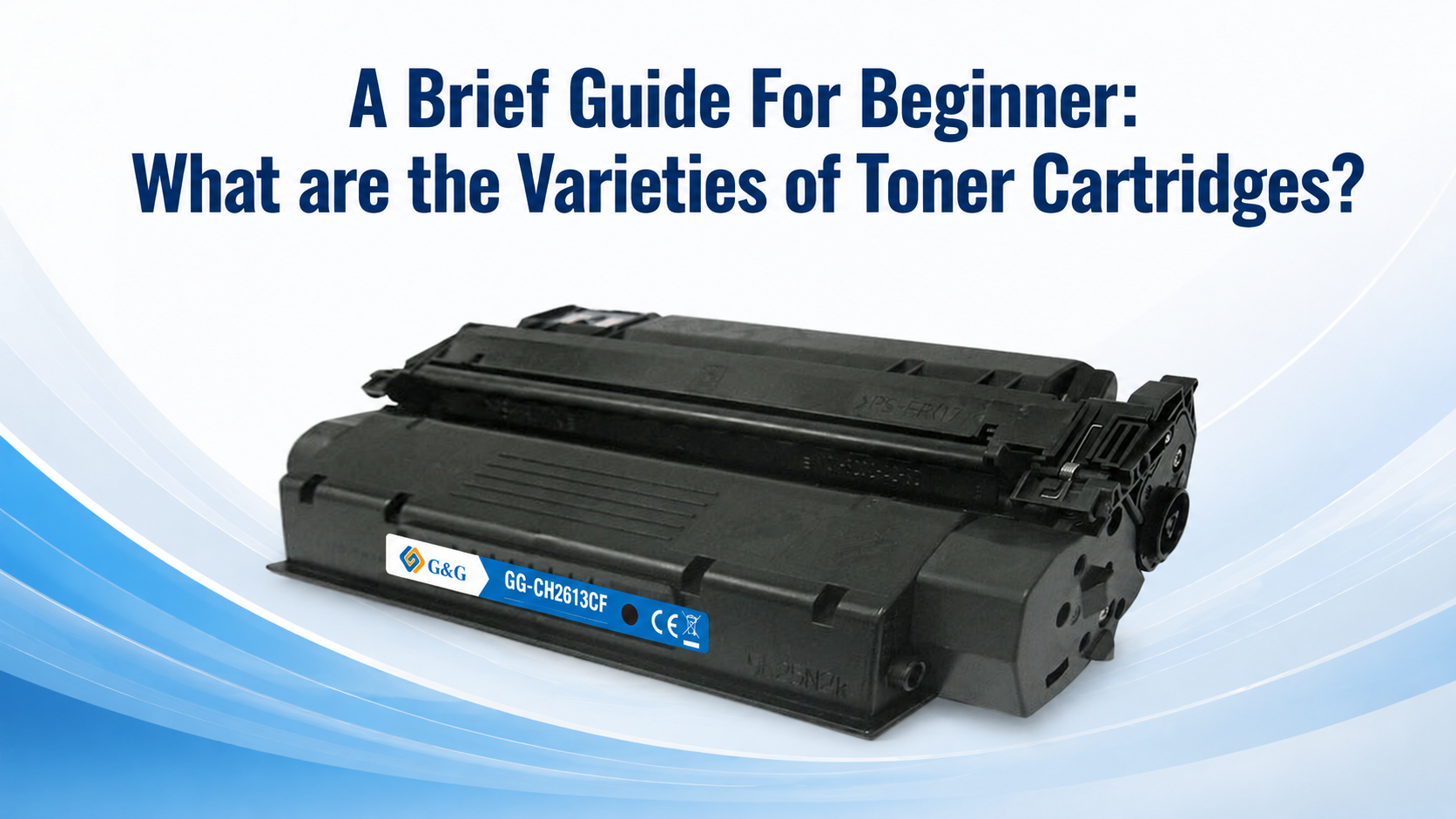
C. Remanufactured Toner Cartridges
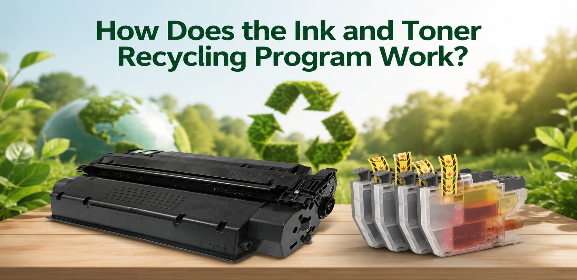
If you want to keep your office green, this is your best bet. Remanufactured toner cartridges are essentially recycled name-brand cartridges.
How it works: A factory collects empty, used genuine cartridges. They completely clean them out, replace any worn-down internal gears, and refill them with fresh, laser toner premium compatible cartridge powder.
The Green Angle: Instead of that plastic cartridge sitting in a landfill for 450 years, it gets a second life. It’ s an easy, highly effective way for your home or business to support a circular economy and cut down on waste.
How Long Will It Last?
Have you ever noticed that two toner cartridges can look completely identical on the outside, but one costs a bit more than the other? That is usually because of a concept called page yield.
In simple terms, page yield is just an estimate of how many pages a cartridge can print before it completely runs out of toner powder.
Depending on how much printing you actually do at home or in the office, you have three main choices:
A. Standard Yield Cartridges
This is the baseline cartridge. When you buy a brand-new printer, it usually comes with a standard yield cartridge inside the box.
Best for: Casual users. If you only print a few recipes, shipping labels, or school permission slips a month, this is a great choice. It keeps your immediate costs low, and you won't have a massive amount of toner sitting idle in your machine for years.
B. High Yield Toner vs. Standard (XL)
This is where smart shoppers usually land. A high yield cartridge (usually marked with an XL on the box) is the exact same physical size as a standard cartridge, meaning it fits into your printer perfectly. However, the manufacturer packs significantly more toner powder inside the shell.
C. Extra High Yield Cartridges (XXL / Ultra High)
If your printer lives in a busy office where the paper tray is constantly being refilled, you want to look for Extra High Yield options (often labeled as XXL).
How it works: These are packed to the absolute maximum capacity with toner powder.
The Big Benefit: It isn't just about saving money on ink; it is about saving your sanity. Choosing an Extra High Yield cartridge means your office doesn't have to constantly stop what it's doing to change out empty cartridges every few weeks. It keeps your business running smoothly with way less maintenance downtime.
Cartridge Size | Toner Level | Upfront Cost | Best For... |
Standard | Baseline | Lowest | Occasional, light printing |
High Yield (XL) | Packed | Medium | Weekly printing & saving money over time |
Extra High Yield (XXL) | Maximum | Highest | Heavy daily printing & low maintenance |
Now that you know the secrets behind what goes into a cartridge and how long it lasts, you can stop guessing and start printing smarter. Picking the right toner comes down to matching your unique printing habits with the right manufacturing origin and page yield.
Quick Beginner Checklist: What Should You Buy?
To make your next shopping trip completely painless, just follow these three golden rules:
Rule 1: Look at your calendar. If you print multiple times a week, always choose a High Yield (XL) or Extra High Yield cartridge. You will save a ton of money over time and cut down on annoying swap-out breaks. If you only print once a month, stick with a Standard Yield cartridge.
Rule 2: Don't get trapped by name-brand prices. Choosing a trusted, premium compatible laser toner cartridge—like a G&G toner cartridge—gives you the professional, smudge-free quality you need while keeping your hard-earned money in your pocket.
Rule 3: Think green when you can. If your business has strict sustainability goals, look into reliable remanufactured toner cartridges to do your part in reducing electronic waste and supporting a circular economy.
By spending just a few minutes checking the labels for origin and yield before you click "buy," you can keep your laser printer running smoothly.