For decades, we’ve heard the same tired prediction: "The paperless office is just around the corner." Yet, as we step into 2026, the reality is far more interesting. We aren't seeing the death of print; we are witnessing the great pivot in printing industry.
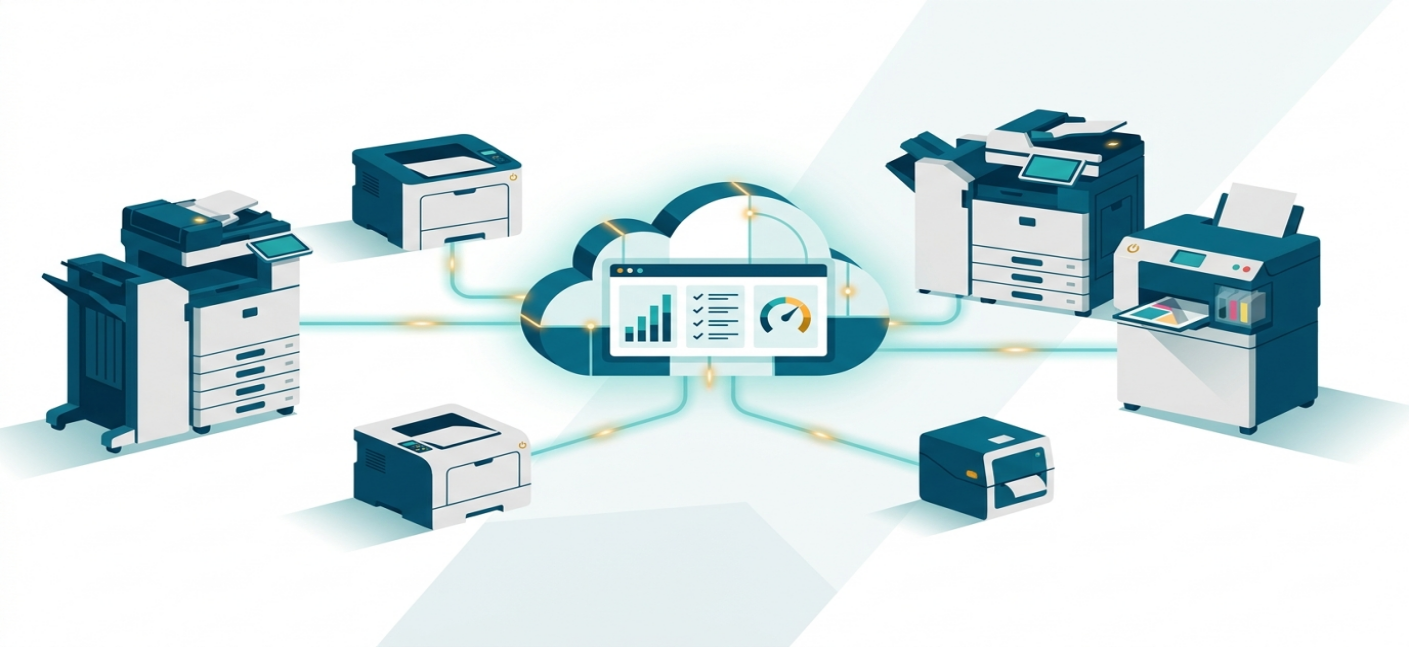
In 2026, the printer has officially shed its old skin that simply spits out ink. Instead, it has evolved into a strategic data sensor—the critical "last mile" where physical documents are born and where digital data is harvested. For dealers, the old business model of "selling boxes and counting clicks" is officially obsolete.
What's unique about this year is the rise of Agentic AI. With fewer hands on deck to manage complex fleets, the 2026 printer must now "think" for itself. It’s no longer just about A4 or A3; it’s about how these devices act as secure, AI-ready gateways that feed your client's broader data ecosystem. This article will show you how to stop selling hardware and start selling the intelligent infrastructure that 2026 demands.
The A4 Evolution: Moving Beyond Volume
In the past, the A4 printer was the core of the office, judged solely by how many pages it could run out per minute. But in 2026, the "volume game" is changing. Forward-thinking dealers are realizing that the real profit isn't in the quantity of pages, but in the specialized value of the print itself.
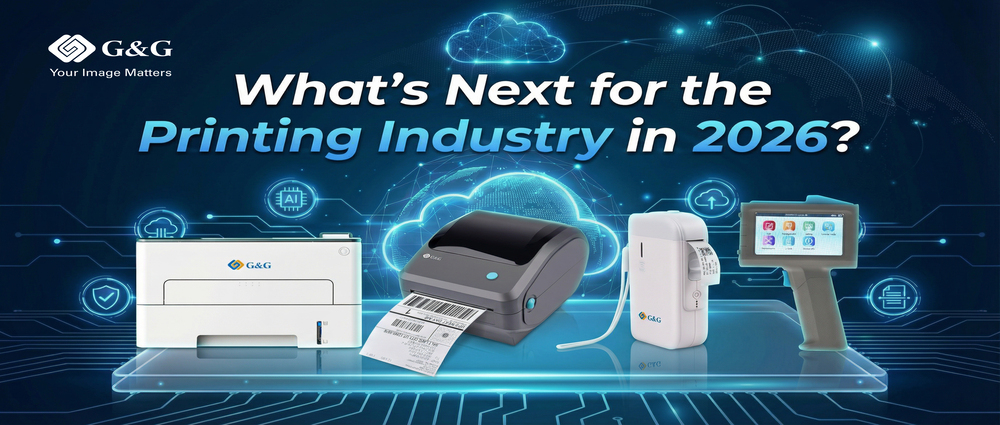
While core office printing is consolidating, we are seeing a massive shift toward high-value verticals. Specifically, the barcode label printer market is no longer an amateur—it’s a $6.8 billion powerhouse growing at a steady 4.8% CAGR. Why? Because every e-commerce package, every blood sample in a clinic, and every automated warehouse bin needs a physical identity.
The Overlooked Opportunity: The "Unmanaged" Micro-Fleet Most dealers focus on the large copiers in the hallway, but the real growth in 2026 lies in the "unmanaged" desktop A4 units scattered across home offices and retail counters.
These devices are often overlooked in service contracts, yet they consume the most high-margin supplies. By pivoting your strategy to offer "Labels-as-a-Service," you aren't just selling a printer; you’re selling the ability for your clients to participate in the global supply chain.
Why the "Paperless Office" Remains a Myth
If you’ve been in the industry, you’ve heard the "paperless" prediction a thousand times. But here in 2026, paper isn't disappearing—it's transforming. While everything digital can be edited or deleted in a click, a printed document offers a sense of permanence and trust that screens simply cannot replicate.
The 2026 twist is Intelligent Document Processing (IDP). We aren't just printing and filing anymore. We are using AI-driven capture tools to turn that physical page into a "smart object." By 2026, the printer has become the ultimate bridge: it’s where a human-readable document is born and where an AI-powered scanner extracts data to feed digital workflows automatically.
For you, the dealer, this means the conversation isn't about "saving paper"—it's about "optimizing digital systems."
The Edge of Print Security: AI vs. AI
In 2026, we are no longer just fighting human hackers; we are witnessing a war where AI-driven attack bots square off against AI-powered defense systems embedded directly into the printer's hardware.
The AI threat what most people don’t realize is that by 2026, cybercrime has become fully industrialized. Threat actors now use "Agentic AI"—software agents that don't need a human to tell them what to do. These bots can spend 24/7 scanning your client's network for a single unpatched printer, instantly writing their own code to exploit it. They can even use voice-cloning AI to call an employee, sounding exactly like their IT manager, to trick them into revealing a printer's access code.
Your Secret Weapon: The old way of "patching and praying" is dead. The 2026 standard is proactive resilience. In 2026, you aren't just selling a device; you are selling an Autonomous Defender. This shift moves security from a boring "technical requirement" to a powerful, persuasive sales story: “Our printers don’t just work for you; they fight for you.”
Governance and the Rulebook: Mastering AI Regulation
By August 2026, the global legal landscape will shift from "encouraging" safe AI to "enforcing" it. With the EU AI Act and similar global frameworks fully active, AI is no longer a wild frontier; it’s a regulated utility.
The printing trend of 2026 is more than selling devices; it’s a record-keeper. It must provide a transparent "paper trail" of every AI-driven decision it makes. When you sell a printer in 2026, you aren't just selling hardware—you are selling Regulatory Peace of Mind. By offering systems that comply with standards like ISO/IEC 42001, you help your clients avoid the massive fines associated with non-compliance.
In 2026, "Responsible AI" isn't a marketing buzzword; it’s the only way to stay in business. Your message to clients should be simple: "Our technology doesn't just work; it follows the rules, so you don't have to worry about them."
The pivot of 2026 isn't a threat—it’s the biggest opportunity our industry has seen in a generation. We’ve moved past the era of simply putting ink on paper. Today, you are in the business of Information Integrity.
By choosing G&G, you aren't just selling premium imaging supplies; you are providing a foundation of reliability in an unpredictable AI world. Our commitment to high-quality, patented, and secure solutions means you can spend less time troubleshooting and more time helping your customers navigate their digital transformation.
The future of print isn't just about survival—it’s about thriving as a trusted advisor. Let’s make 2026 the year your business becomes the indispensable hub of the modern office.