Zhuhai is one of the world’s most important sourcing hubs for compatible toner cartridges, ink cartridges, bulk ink, bulk toner, and related printer consumables. International distributors, wholesalers, office-supply businesses, and private-label brands visit the city to meet manufacturers directly, compare products, and review production capabilities before placing orders.
For distributors, wholesalers, and office supplies businesses evaluating printer cartridge vendors, that concentration makes Zhuhai a practical place to source. It also makes a trip worth preparing for properly, since the same density that makes sourcing easy can also make it easy to choose the wrong wholesale supplier.
This guide explains how to prepare for a sourcing trip, identify a reliable compatible cartridge supplier, verify certifications, inspect a factory, and avoid common purchasing mistakes.
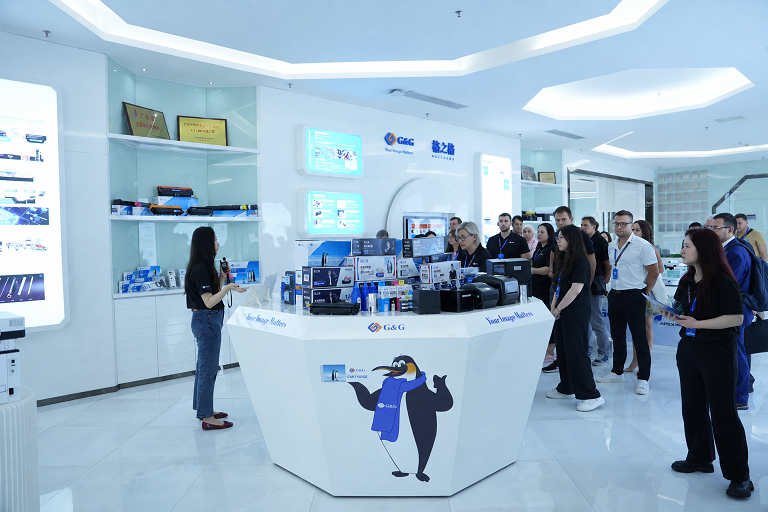
*Buyers tour G&G's product showroom in Zhuhai, a step that online sourcing alone can't replace.
Why Source From Zhuhai
International buyers keep returning to Zhuhai for reasons that go beyond price. As covered in our earlier look at Zhuhai’s rise as the Print Consumables Capital of the World, the city produces a majority of the world’s compatible print consumables, and that concentration is what draws buyers here in the first place.
According to RTM World’s exhibition data, RemaxWorld Expo, held annually in Zhuhai, draws buyers from 101 countries and has hosted more than 210,000 attendees cumulatively. Among them, 41.2% are repeat visitors who have attended three or more times.
Part of the draw is structural. Many suppliers in Zhuhai operate on a front store, back factory model. Buyers can meet a sales team and walk the production floor during the same visit, without traveling to a separate facility. For a buyer trying to verify a supplier’s claims rather than take them on faith, that access matters.
Before You Visit Zhuhai
One of the most common sourcing mistakes is starting supplier conversations without a clear enough brief.
Build a target product list. Instead of asking generally for “toner cartridges,” provide specifics: printer brand and model, OEM cartridge reference, target page yield, color, target market, estimated annual volume, packaging requirements, and any private-label or certification requirements. This matters especially for compatible consumables, since products that look similar in a quotation can differ considerably in components, yield, and performance.
Know your market’s requirements. A product suitable for one country is not automatically suitable for another. Understand the product safety, labeling, and IP considerations of your target market before you start supplier conversations, and tell suppliers exactly where the products will be sold.
Prepare an evaluation checklist. Price should be part of the evaluation, not the whole of it. A simple scorecard covering quality, certifications, production capacity, lead time, MOQ, technical support, and after-sales service makes it far easier to compare suppliers once your trip is over.
Why “OEM-Match” Should Mean
“OEM-matched” gets used loosely. For a buyer, it should mean something specific and testable, not a marketing label.
At minimum, it should cover:
Print quality consistency, matched against OEM output across a full test run, not a handful of sample prints
Page yield, meaning the cartridge delivers the number of printed pages it claims, tested under standard conditions
Chip compatibility, so the cartridge works correctly with the printer’s existing firmware and doesn’t trigger error messages or blocked functions
Leak testing, since a cartridge that performs well on paper but leaks in transit creates real costs for the buyer downstream
A supplier who can speak to these specifics, rather than repeating “OEM-matched” as a slogan, is already telling a buyer something useful.
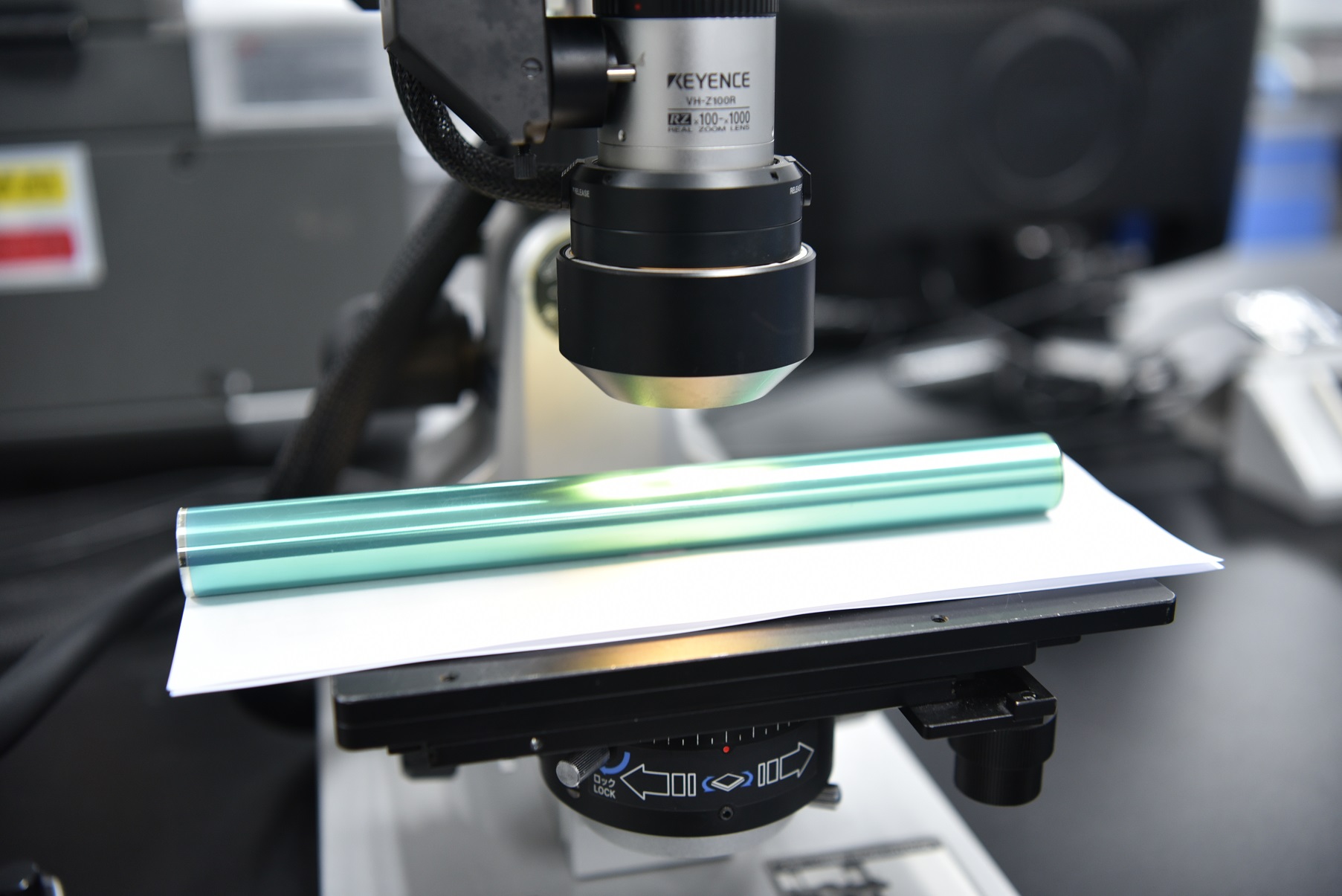
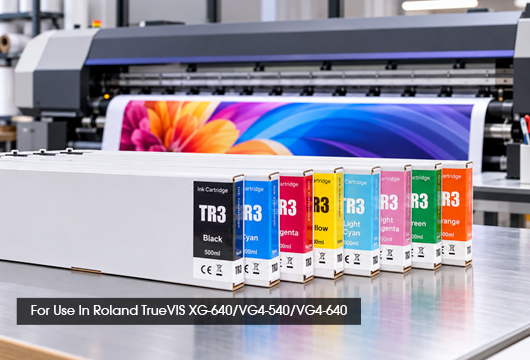
*Quality compatible toner cartridges should be tested for page yield, print consistency, and chip compatibility, not just labeled OEM-matched.
How to Identify a Reliable Supplier
A Supplier researching where to source often start with a broader question: how do you identify a reputable factory producing compatible printer supplies in China, rather than just a trading company reselling someone else’s product?
Zhuhai has many companies associated with printing supplies, and their capabilities and business models vary. Buyers will encounter manufacturers, trading companies, and established consumables brands, and sometimes companies that combine more than one of these.
There is no universal answer to which is best. A manufacturer may offer deep specialization in one product category and full visibility into how the product is actually made. A trading company may offer flexibility across categories, but less direct control over quality. An established brand may offer broader quality systems, technical support, and after-sales infrastructure on top of manufacturing.
Rather than judging a supplier by its business type alone, ask what capabilities sit behind the products you are buying, and confirm whether you are speaking to the factory directly or through an intermediary. For a closer look at how one manufacturer grew alongside this cluster, see how G&G Image Global helped shape Zhuhai’s manufacturing hub.
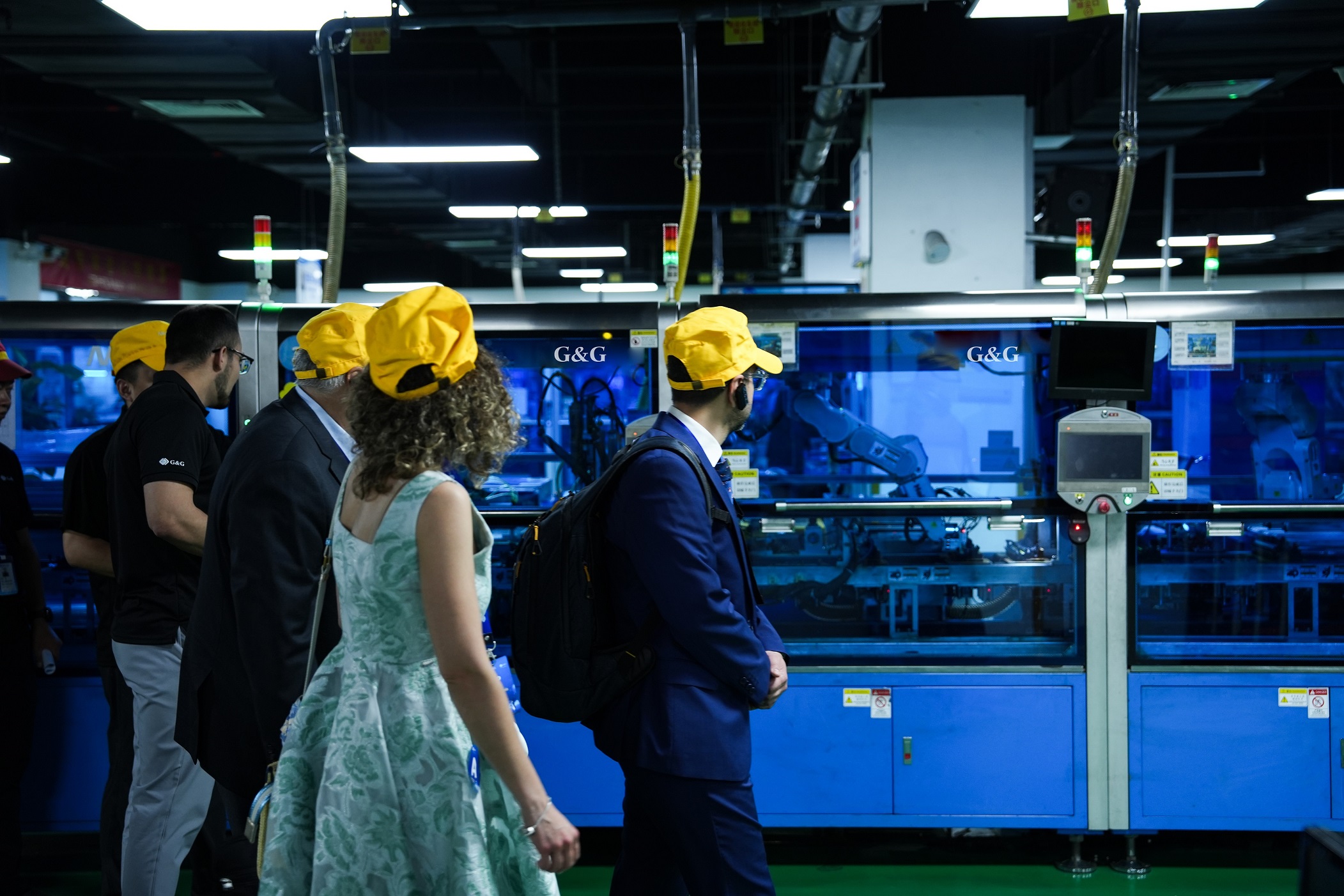
*When identifying a reputable cartridge manufacturer in China, confirm whether you're dealing with the factory directly.
Certifications to Verify
Certifications matter less as a badge and more as evidence that a supplier has a system in place. A serious supplier’s certifications usually fall into a few distinct categories, and it’s worth knowing what each one actually covers.
ISO 9001: Quality-management system at company level.
ISO 14001: Environmental-management system.
ISO 45001: Occupational health and safety management.
ISO/IEC 19752: Standardised monochrome toner cartridge yield testing.
ISO/IEC 19798: Standardised colour toner cartridge yield testing.
DIN 33870 / DIN 33871: Standards often associated with remanufactured toner and ink cartridge quality requirements.
RoHS, REACH, WEEE, CE/EMC: Important compliance areas for products entering relevant European markets.
Nordic Swan Ecolabel: A product-level ecolabel that should be verified by the specific cartridge model, not merely at company level.
Buyers sometimes ask how to verify if a cartridge is genuinely OEM-matched or ISO-matched, rather than just labeled that way in a product sheet. The most reliable way is to ask a supplier not just which certifications they hold, but which testing standard was used, which models it applies to, and when it was last audited. A supplier that hesitates on those specifics is telling you something, even if the answer is vague rather than false.
What to Check on a Factory Visit
A low unit price is attractive on a quotation, but the real cost of a consumable only becomes clear after it reaches your customers.
Consider what happens if cartridges generate high return rates, inconsistent print quality, leakage, low page yield, or firmware-related compatibility errors. The cost of replacements, logistics, customer service, and damaged customer relationships can quickly outweigh a small price advantage. Experienced buyers evaluate total sourcing value, not price in isolation.
Once you are in Zhuhai, use each visit to verify what you learned during earlier discussions.
Product showroom. Look beyond the number of products on display. Does the range match the markets and printer brands relevant to your business? Ask about recently launched products, which shows how quickly the company responds when new printers enter the market.
Quality and testing. Ask to see how products are evaluated, whether that covers print quality, page yield, reliability, or compatibility testing. Print samples are useful here, especially when comparing suppliers side by side.
Warehouse and traceability. How are batches identified? How is inventory managed and finished goods stored? For buyers managing hundreds of SKUs, traceability can matter as much as production capability.
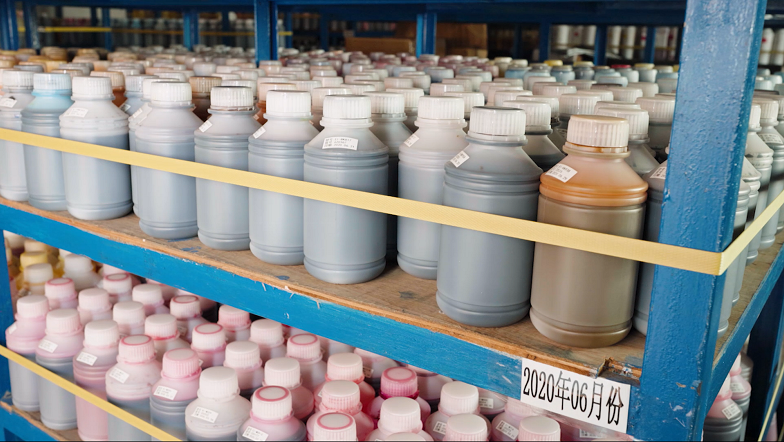
*For buyers managing hundreds of SKUs, batch traceability matters as much as production capability.
R&D and technical support. Firmware changes over time. Ask how a supplier responds when an OEM releases a firmware update or a customer reports a compatibility issue. A capable technical team becomes especially valuable after the first shipment, not during it.
Packaging and customization. If you operate your own brand, ask about artwork requirements, localization, barcodes, MOQ, and lead times for private-label packaging. Bringing existing packaging samples makes this conversation far more efficient.
10 Questions to Ask a Printer Consumables Supplier
Choosing a reliable wholesale supplier, whether in Zhuhai or anywhere else, usually comes down to how well a company can answer questions like these:
Which countries and regions do you currently supply?
How do you control product quality?
How do you manage intellectual property risk?
How do you respond to printer firmware updates?
What warranty do you provide?
What are your typical production and delivery lead times?
How do you maintain batch-to-batch consistency?
Can you provide product samples and test documentation?
What technical support is available after purchase?
How do you handle defective products and customer claims?
The answers matter, but so does how a supplier answers them. Clear explanations and documented processes are stronger signals than broad promises.
Common Sourcing Mistakes to Avoid
Comparing price without comparing specifications. Two cartridges with the same OEM reference are not necessarily equivalent. Components, toner formulation, chips, and testing standards can all differ.
Skipping sample testing. Whenever practical, test samples before placing a significant order, ideally using printer models representative of your target market.
Ignoring firmware compatibility. Ask how a supplier monitors firmware updates and what support they provide when compatibility issues arise.
Overlooking intellectual property. Not every compatible product is appropriate for every market. Discuss the destination country with your supplier before ordering.
Focusing only on the first order. The first purchase may go smoothly. The real test is whether a supplier can maintain quality, support new products, and provide stable supply as your business grows.
Getting the Most Out of a Trip to Zhuhai
RemaxWorld Expo, held every October in Zhuhai, is where much of this evaluation can happen in a single trip. Buyers can meet multiple suppliers, compare certifications and test data side by side, and in many cases arrange factory visits during the same week.
If you identify promising suppliers on the show floor, consider a separate visit while you’re still in Zhuhai. A dedicated visit gives you more time to go through the checklist above than a show floor conversation allows.
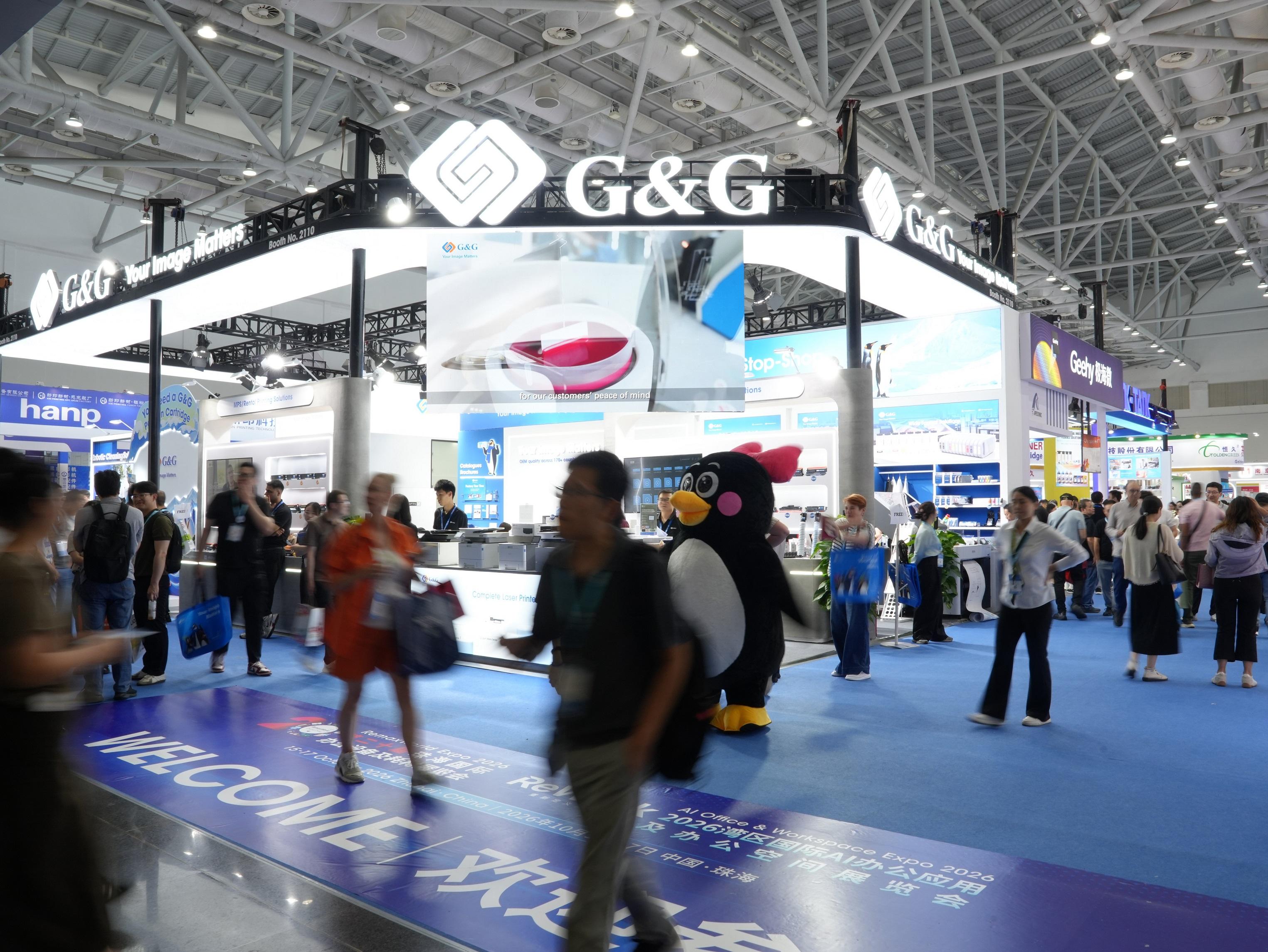
G&G Image Global exhibits at Hall 2, Booth 2110.
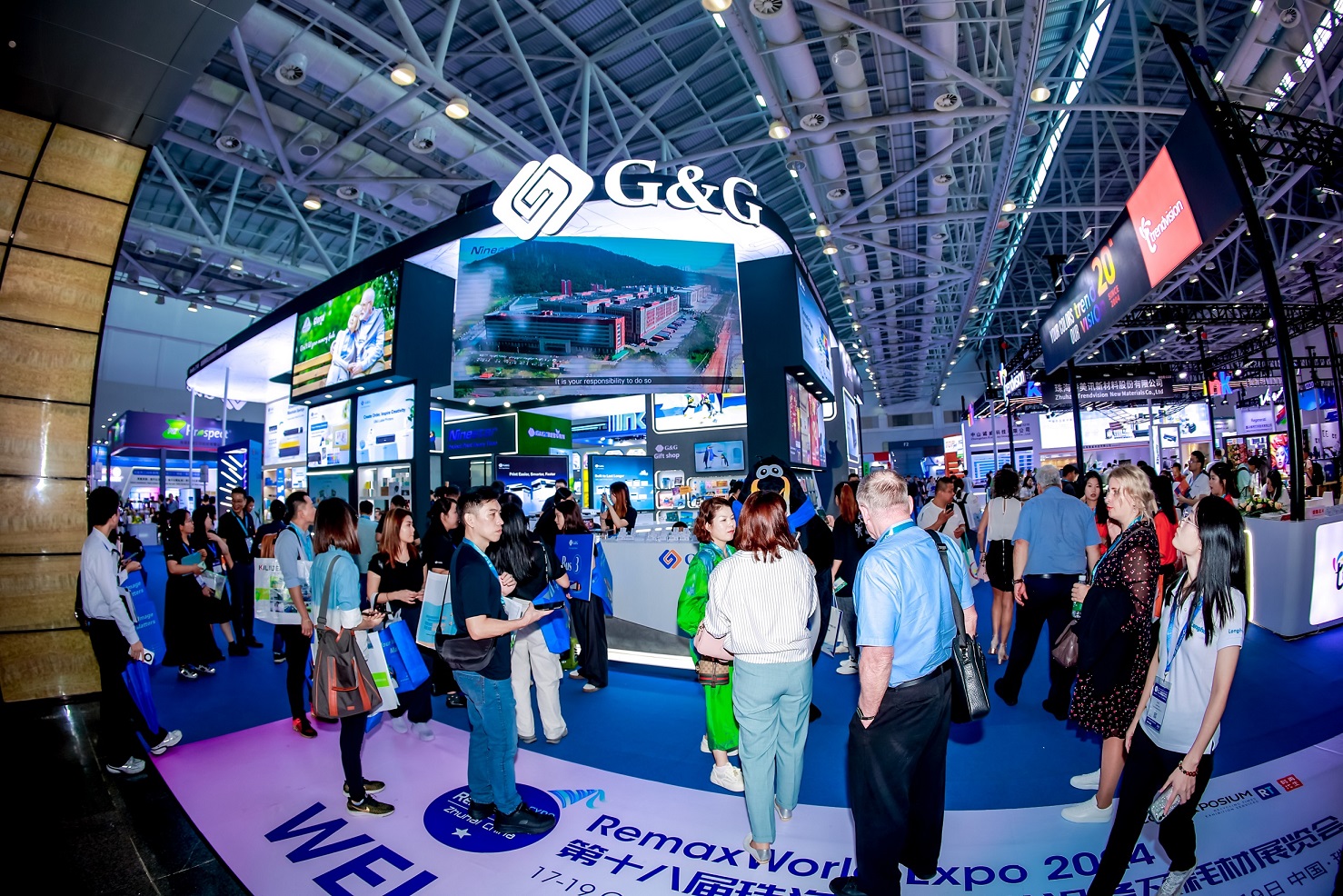
*RemaxWorld Expo, held every October in Zhuhai, is where buyers can complete most of their supplier evaluation in a single trip.
Visit G&G Image Global in Zhuhai
Planning a sourcing trip to Zhuhai? G&G welcomes the opportunity to meet buyers visiting the city. G&G Image Global is an ISO-certified, leading Zhuhai-based printer consumables brand, built in the world’s most important cartridge manufacturing hub and trusted by more than 200 million consumers in 170+ countries for OEM-level quality.
A visit gives buyers a chance to walk the production floor, review testing and certification records, and discuss specific market requirements directly with the people behind them.
Planning a sourcing trip to Zhuhai? Visit G&G at Hall 2, Booth 2110.
Frequently Asked Questions
Why do international buyers source printer consumables from Zhuhai? Zhuhai concentrates chip design, ink and toner manufacturing, cartridge assembly, and finished equipment production within one metropolitan area. RemaxWorld Expo, held there annually, draws buyers from 101 countries, with more than 41% attending three or more times.
What certifications should I check before choosing a supplier? ISO 9001 for quality management, ISO 14001 and related standards for environmental and social responsibility, and standardized yield-testing methods like ISO/IEC 19752 and ISO/IEC 19798 are the most relevant for compatible cartridge buyers. For products sold into the EU, CE/EMC, WEEE, RoHS, and REACH compliance also matter.
Can I visit a supplier’s factory in Zhuhai? Many suppliers operate on a front store, back factory model, meaning sales offices and production facilities sit close together. This makes factory visits realistic during a single trip, particularly around RemaxWorld Expo.
Should I choose a manufacturer, trading company, or consumables brand? The right choice depends on your business. Rather than judging a supplier by its business type alone, evaluate the capabilities behind its products: quality management, technical expertise, supply stability, and after-sales support.
When is the best time to visit Zhuhai for sourcing? RemaxWorld Expo takes place every October and is the most efficient way to meet multiple suppliers and compare them directly during one visit.
How do I identify a reputable compatible cartridge manufacturer in China? Confirm whether you’re dealing with the factory directly or through a trading company, ask for documented quality-control processes rather than general assurances, and request third-party test reports rather than relying on internal figures alone.
How can I verify if a cartridge is genuinely ISO-matched? Ask which certification body issued the standard, what scope it covers, and when it was last audited. A supplier confident in its certifications will answer specifically rather than pointing to a general claim on a product sheet.